
Hamlet Group | Building the Future — Powered by Design.
0%
Hamlet Group | Building the Future — Powered by Design.
From Mineral Source to Built Space: How Digital Connectivity Is Linking Mining and Architecture
Every building begins long before construction starts. Before walls are raised, roofs installed, or spaces designed, there is a chain of materials that makes the built environment possible. Clay, sand, bricks, stone aggregate, and dimension stones all begin at the source — with miners, suppliers, and the systems that move these materials into construction. For Hamlet Group, this is where mining and architecture meet. The quality of the spaces we build is closely tied to the strength, accessibility, and efficiency of the mineral value chains behind them.
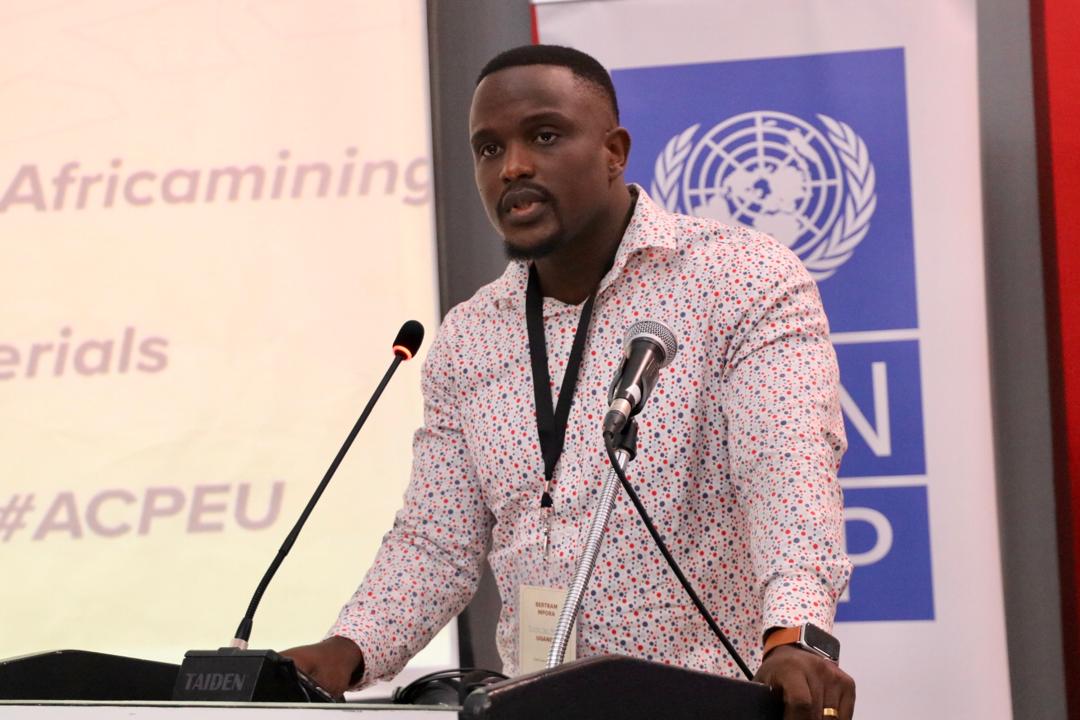
This connection was highlighted by Bertram Mpora, Country Director of Hamlet Group, during the Forum and Exhibition on Sustainable and Inclusive Mineral Value Chains held in Lusaka, Zambia, from 15–17 April 2024, organized by the Government of Zambia and UNDP Zambia. Speaking on digital connectivity in Zambia, he emphasized that artisanal and small-scale mining is not only an extractive activity, but also a foundational part of how cities, infrastructure, and buildings are made.
Drawing from Hamlet Group’s experience in Uganda, Mpora shared insights from Madini, an online-offline digital platform developed in partnership with the UNDP-ACP-EU Development Minerals Programme. The platform was designed to improve access to mineral markets, market information, and appropriate technologies, while addressing long-standing inefficiencies affecting both artisanal miners and the construction industry.
Development minerals are essential to the built environment. Used in construction, manufacturing, infrastructure, and agriculture, they include materials such as clay, bricks, sand, stone aggregate, and rough uncut dimension stones. Yet despite their importance, the sector continues to face serious challenges. Construction projects often struggle with quality, quantity, and cost, while artisanal miners are frequently forced to sell at low prices, only for middlemen and transporters to inflate costs before the materials reach the final buyer. The result is a fragmented supply chain that disadvantages both producers and consumers.
Madini was created as a practical response to these challenges. The platform directly links artisanal and small-scale miners to buyers, especially construction sites, helping standardize products, improve transparency, and reduce inefficiencies across the supply chain. In doing so, it speaks directly to the intersection of mining and architecture: architects, engineers, developers, and contractors all depend on reliable access to quality materials. Better buildings do not depend on design alone. They also depend on stronger, smarter, and more inclusive material systems.
The platform operates in an “Uber-like” way by linking buyers to the nearest available source of development minerals. A construction site can be matched to a nearby supplier, reducing transport costs and improving efficiency. At the same time, Hamlet works with artisanal and small-scale miners to support standardization in quality and quantity while helping them access fairer market opportunities. This approach keeps more value within local communities and creates a stronger connection between mining and construction demand.
A key strength of Madini is its accessibility. The platform combines a smartphone-compatible interface with an offline USSD option, making it usable even in areas with limited internet access. This is particularly important for artisanal miners operating in remote locations, where digital exclusion often translates into market exclusion. By combining online and offline functionality, Hamlet Group is helping ensure that digital innovation remains practical, inclusive, and grounded in local realities.
This makes the story larger than mining alone. It is also a story about architecture — not only as design, but as a system of relationships between materials, people, logistics, and place. Hamlet Group was founded with a mission to design spaces that empower people to create and innovate, and Madini extends that same vision further upstream into the mineral supply chain. By connecting different actors in the construction ecosystem through one digital framework, Hamlet is helping close the gap between where materials come from and what they ultimately become: homes, schools, workplaces, and public infrastructure.
Supported through a grant from UNDP under the ACP-EU Development Minerals Programme, Madini has already impacted over 1,000 artisanal and small-scale miners through training, market access, and practical support. The platform demonstrates how digital connectivity can make mineral value chains more inclusive, efficient, and beneficial for both producers and consumers. It also shows that when mining systems work better, architecture works better too.
Bertram Mpora’s contribution at the Lusaka forum reinforced a message that is increasingly relevant across Africa: the future of sustainable construction and