
Hamlet Group | Building the Future — Powered by Design.
0%
Hamlet Group | Building the Future — Powered by Design.
Founded with a vision to transform spaces and enrich communities, HAMLET GROUP has become a pioneer in architectural innovation across Uganda and beyond. As the world evolves, so do the demands on design and construction. We embrace these changes, blending creativity, functionality, and sustainability to craft environments that inspire and endure.
At HAMLET GROUP, we believe architecture is more than just creating structures—it's about shaping experiences, fostering connections, and making a lasting impact. From concept to execution, our team is dedicated to delivering excellence at every step, ensuring each project reflects the unique needs and aspirations of our clients.
Architecture
Bertram Mpora with invaluable insights on managing client relationships and why falling for the client is so crucial. FALLING FOR THE CLIENT “The only way to do great work is to truly love what you do.” — Steve Jobs Somewhere along the blurry line between passion and profession, it happens — you fall for the client. Not in the candlelit-dinner kind of way (well, hopefully not), but in the you-get-them, they-get-you, we’re-building-something-great-together sort of way. And that — my dear professionals — is the secret nobody writes in business textbooks: Work thrives where there’s chemistry. Falling for the client once is easy, similar to the butterflies when you have just fallen in love with someone, but how do you constantly fall for a client, especially when they get annoying with like with revisions, Stick around and Read more” ❤️ Love as a Design Strategy There are two big reasons to “love” your clients — metaphorically, of course. First, because relationships are oxygen in Architecture business. A stone throw away years, Hamlet lost a huge account. The client didn’t say the work was bad — in fact, the designs were great. They simply said there was “an inability to establish a close, continuous working relationship.” In architecture, clients rarely say, “We’re parting ways because we don’t connect.” They’ll point to budgets, schedules, or “creative differences.” But beneath that, it’s usually about trust, communication, and understanding — the human foundations of the project. Translation? The love faded. And with it went millions in billings. 🧱 When It’s Not About the Design Hamlet didn’t lose “Ruby Whispers Hotel” because the design failed. The designs were beautiful; the designs and market fit were solid. The breakup wasn’t creative — it was personal. Ironically, when Hamlet’s team struggled with the Mist Hotel Entebbe, we didn’t get fired. Why? Because the relationship with the client (at this point about half a decade) had grown strong that when we got stuck once with the project at one point, the client said, “We can’t walk away from the problem, so you can’t either.” That’s love, right there — the professional kind. The “we’re-in-this-together” kind. A consulting firm once studied why clients fire Architecture firms. Performance wasn’t the pattern. Design firms got dumped when the projects were there most creative, with promised high ROI. The unifying reason was almost always human: “They just don’t seem to understand us.” Great firms don’t lose projects because their buildings leak. They lose them because the relationship does. Architects often believe projects fall apart due to technical gaps. But research shows most client-architect fallouts aren’t about performance at all. They’re about people. “They just don’t seem to understand us.” Creative genius might win you a client, but emotional distance will lose you one. Architects don’t usually get fired because the design was a flop — they get fired because the relationship does. In other words: the design failed to speak the client’s emotional language. 🪜 Reading Between the Lines (and Elevations) Most projects that go sideways are preventable. Architects often don’t lose clients because of what they did — but because of what they didn’t notice. A good architect isn’t fired for a bad design; they’re fired for not realizing the relationship was crumbling. Just like in any partnership, you have to listen — not only to what the client says, but to what they mean. When they say, “It feels too modern,” they might be saying, “I don’t see myself in this.” That’s empathy in practice. That’s architectural love. 🏗️ Building Bridges, Not Just Buildings The best architectural firms like Hamlet Group don’t just create projects; they create bridges — between ideas and people, between function and feeling. Strong relationships don’t collapse under pressure. They adapt, like well-designed structures. If you’re working with a large institution, losing one department is a warning sign. With private clients, especially individuals or developers, the entire relationship might depend on one person’s perception. So build multiple bridges — from director to site supervisor, from architect to end user. As our founder Bertram Mpora once said, “It’s hard to fire a friend.” 📏 When Silence Isn’t Golden A quiet client isn’t necessarily a happy one. If the feedback stops, beware. As Harvard’s Ted Levitt once wrote: “Nobody is ever that satisfied.” When the client stops sharing doubts, it may mean trust has eroded. Bad feelings fester in silence — until they erupt as a termination letter. So keep the conversations going — even when things are tense.In relationships and in projects, talk before it’s too late. 🌱 Love That Builds Business The first reason to love your client is to keep them. The second is because they’re your best source of new work. Most firms grow not from strangers, but from satisfied clients who return with new sites, new visions, new budgets. One small residential project can grow into a campus. One renovation can turn into a long-term development partnership. Every drawing you deliver is also a quiet audition for future work. In architecture, affection compounds like interest. 🧭 Love Leaves a Legacy Most of Hamlet’s strongest opportunities come from people we once worked with — or even from those we let go. The client you clashed with today might call you years later with a larger commission. Sometimes, even the people you fire come back as your clients. (Lesson: breakups should be graceful. You never know who’ll return with a bigger budget.) Love has a funny way of circling back. So be kind on your way out. Love, in professional life, has a long memory. 🕊️ Final Word Falling for the client — platonically, professionally, wholeheartedly — isn’t weakness. It’s wisdom. It’s what turns a drawing into a story, a structure into trust, and a client into a collaborator. Yes, you can measure square meters and costs. But you can’t measure empathy — and yet it’s the hidden dimension that holds everything together. So go ahead — fall for your client. It might just be the most beautiful structure you’ll ever build.

Architecture
“Hamlet pilots ‘Madini’ in partnership with UNDP- ACP-EU Development Minerals Programme, an online-offline digital Platform with smart user interface to enhance access to mineral markets, market information, and appropriate technologies in the Development Minerals sector in Uganda” Read More. Hamlet Group, in partnership with the UNDP- ACP-EU Development Minerals Programme, has launched Madini, a groundbreaking digital platform designed to enhance access to mineral markets, market information, and appropriate technologies within the Development Minerals sector in Uganda. Combining an intuitive online interface with offline accessibility, Madini is set to address longstanding challenges in the sector, particularly for artisanal miners and the construction industry. The Construction Industry and Development Minerals The construction industry, one of the largest consumers of Development Minerals, faces three key challenges in procuring these materials: quality, quantity, and cost. Development minerals—such as clay, bricks, sand, stone aggregate, and rough, uncut dimension stones—are vital for construction, agriculture, manufacturing, and infrastructure. Despite their importance, the supply chain is plagued by inefficiencies. Miners often sell materials at low prices, but middlemen inflate costs, leaving miners with low revenues and consumers burdened by high prices. Furthermore, the lack of standardization compromises quality and creates inefficiencies in the procurement process. Introducing Madini Madini is a digital mineral marketplace that directly connects artisanal miners with consumers, such as construction sites, streamlining the supply chain and ensuring quality, quantity, and affordability. The platform focuses on four key Development Minerals: • Clay • Bricks • Sand • Stone aggregates and rough, uncut dimension stones By linking construction sites to the nearest sources of these materials, Madini eliminates middlemen, reduces transport costs, and ensures that consumers access standardized, high-quality products at fair prices. How Madini Works The platform operates with an innovative "Uber-like" model: • A construction site in a specific location, such as Seeta in Mukono district, is matched with the nearest source of Development Minerals. • On the backend, Hamlet collaborates with artisanal and small-scale miners to ensure standardized quality and quantity, while maintaining competitive pricing. This model not only lowers costs for construction projects but also strengthens local economies by keeping transactions within the community. Artisanal miners benefit from direct access to markets, resulting in higher revenues. To maximize accessibility, Madini offers: • Online access: A smartphone-compatible interface with a smart user experience. • Offline access: A USSD code-based system for placing orders without internet connectivity. Hamlet’s Vision Founded with a mission to design spaces that empower people to create and innovate, Hamlet initially operated as a design-and-build company, integrating design and construction into a seamless service. Drawing on extensive industry knowledge, Hamlet has now expanded its impact through Madini, which aims to bring together stakeholders in the construction industry under a unified digital ecosystem. Impact and Recognition Supported by a grant from UNDP under the ACP-EU Development Minerals Programme, Madini has already impacted over 1,000 artisanal and small-scale miners by providing them with training, market access, and practical support. The platform is a game-changer for Uganda’s Development Minerals sector, fostering sustainable practices and economic growth. By leveraging digital tools, Madini ensures that the benefits of technology reach even the most remote communities, driving down costs for consumers and increasing profits for miners. Looking Ahead Hamlet Group remains committed to enhancing the built environment in developing countries through innovative solutions. With Madini, the company is not only addressing challenges in the Development Minerals sector but also creating ripple effects that strengthen communities, boost local economies, and improve access to critical resources.
Technology
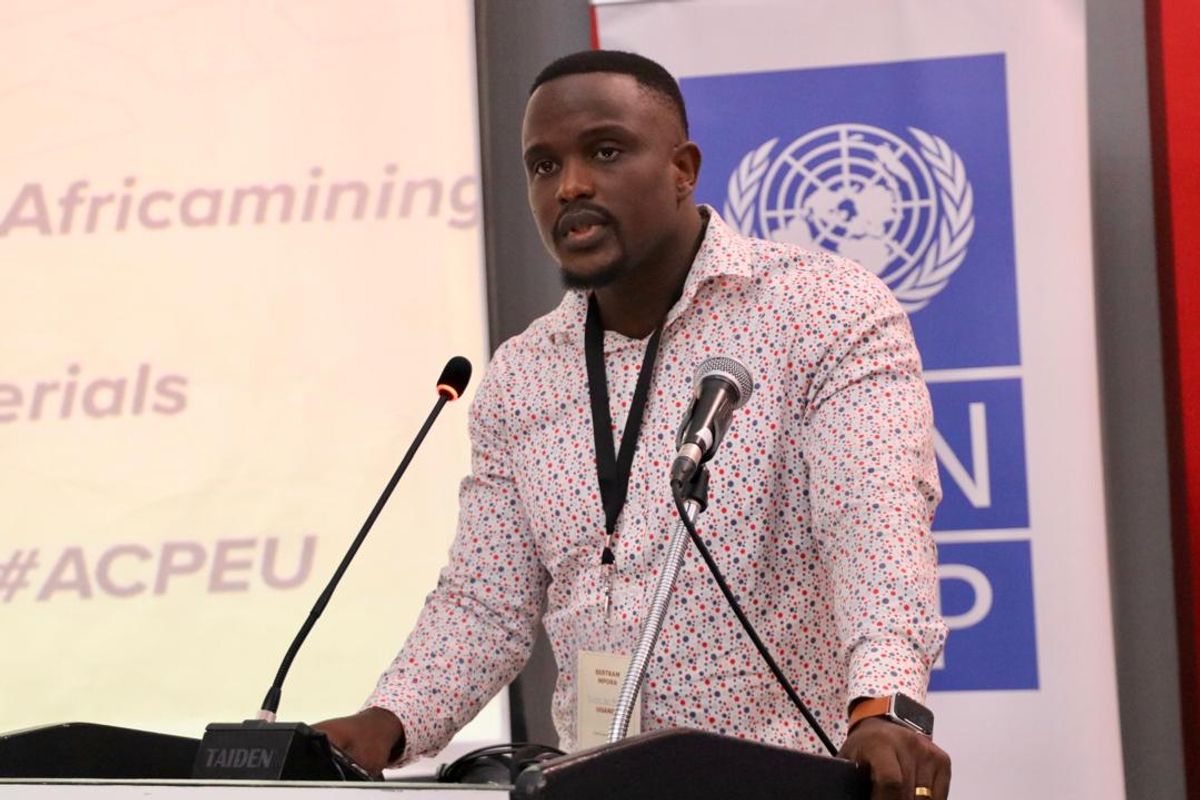
From Mineral Source to Built Space: How Digital Connectivity Is Linking Mining and Architecture Every building begins long before construction starts. Before walls are raised, roofs installed, or spaces designed, there is a chain of materials that makes the built environment possible. Clay, sand, bricks, stone aggregate, and dimension stones all begin at the source — with miners, suppliers, and the systems that move these materials into construction. For Hamlet Group, this is where mining and architecture meet. The quality of the spaces we build is closely tied to the strength, accessibility, and efficiency of the mineral value chains behind them. This connection was highlighted by Bertram Mpora, Country Director of Hamlet Group, during the Forum and Exhibition on Sustainable and Inclusive Mineral Value Chains held in Lusaka, Zambia, from 15–17 April 2024, organized by the Government of Zambia and UNDP Zambia. Speaking on digital connectivity in Zambia, he emphasized that artisanal and small-scale mining is not only an extractive activity, but also a foundational part of how cities, infrastructure, and buildings are made. Drawing from Hamlet Group’s experience in Uganda, Mpora shared insights from Madini, an online-offline digital platform developed in partnership with the UNDP-ACP-EU Development Minerals Programme. The platform was designed to improve access to mineral markets, market information, and appropriate technologies, while addressing long-standing inefficiencies affecting both artisanal miners and the construction industry. Development minerals are essential to the built environment. Used in construction, manufacturing, infrastructure, and agriculture, they include materials such as clay, bricks, sand, stone aggregate, and rough uncut dimension stones. Yet despite their importance, the sector continues to face serious challenges. Construction projects often struggle with quality, quantity, and cost, while artisanal miners are frequently forced to sell at low prices, only for middlemen and transporters to inflate costs before the materials reach the final buyer. The result is a fragmented supply chain that disadvantages both producers and consumers. Madini was created as a practical response to these challenges. The platform directly links artisanal and small-scale miners to buyers, especially construction sites, helping standardize products, improve transparency, and reduce inefficiencies across the supply chain. In doing so, it speaks directly to the intersection of mining and architecture: architects, engineers, developers, and contractors all depend on reliable access to quality materials. Better buildings do not depend on design alone. They also depend on stronger, smarter, and more inclusive material systems. The platform operates in an “Uber-like” way by linking buyers to the nearest available source of development minerals. A construction site can be matched to a nearby supplier, reducing transport costs and improving efficiency. At the same time, Hamlet works with artisanal and small-scale miners to support standardization in quality and quantity while helping them access fairer market opportunities. This approach keeps more value within local communities and creates a stronger connection between mining and construction demand. A key strength of Madini is its accessibility. The platform combines a smartphone-compatible interface with an offline USSD option, making it usable even in areas with limited internet access. This is particularly important for artisanal miners operating in remote locations, where digital exclusion often translates into market exclusion. By combining online and offline functionality, Hamlet Group is helping ensure that digital innovation remains practical, inclusive, and grounded in local realities. This makes the story larger than mining alone. It is also a story about architecture — not only as design, but as a system of relationships between materials, people, logistics, and place. Hamlet Group was founded with a mission to design spaces that empower people to create and innovate, and Madini extends that same vision further upstream into the mineral supply chain. By connecting different actors in the construction ecosystem through one digital framework, Hamlet is helping close the gap between where materials come from and what they ultimately become: homes, schools, workplaces, and public infrastructure. Supported through a grant from UNDP under the ACP-EU Development Minerals Programme, Madini has already impacted over 1,000 artisanal and small-scale miners through training, market access, and practical support. The platform demonstrates how digital connectivity can make mineral value chains more inclusive, efficient, and beneficial for both producers and consumers. It also shows that when mining systems work better, architecture works better too. Bertram Mpora’s contribution at the Lusaka forum reinforced a message that is increasingly relevant across Africa: the future of sustainable construction and
Energy
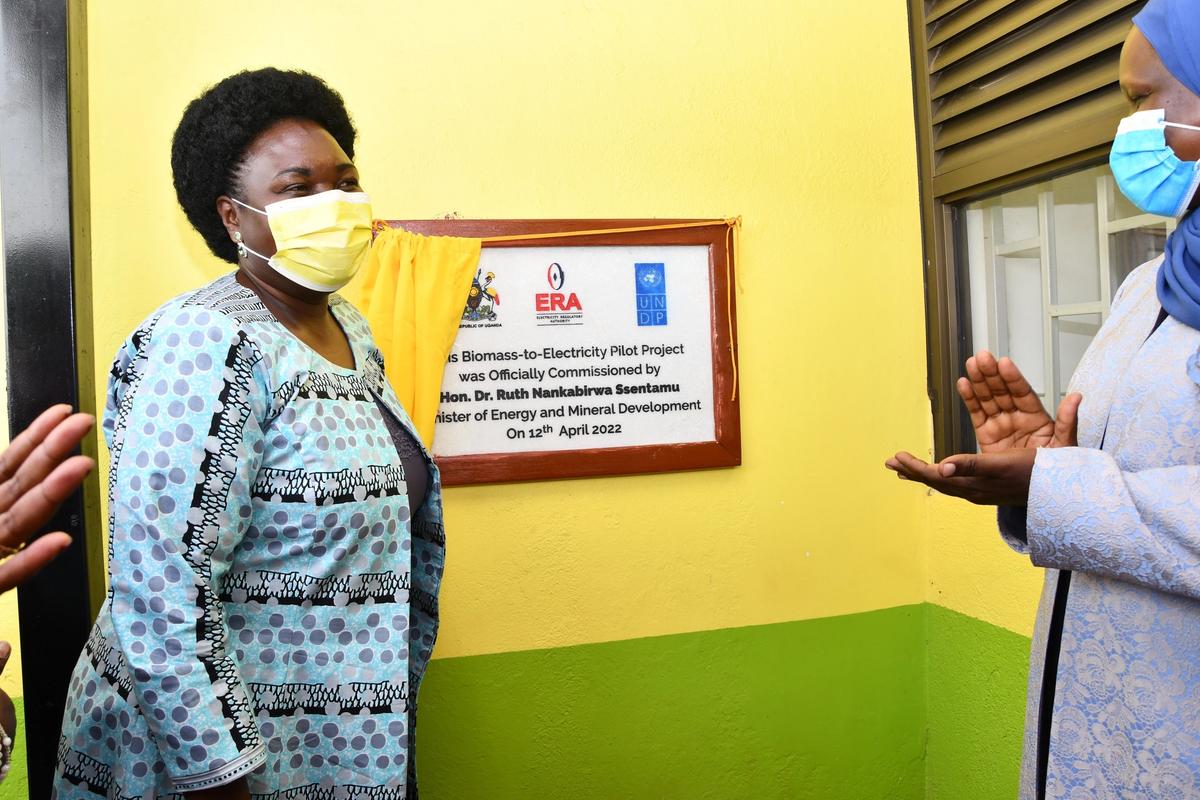
The Minister of Energy Hon. Ruth Nankabirwa Ssentamu commissions the UNDP/ERA Biomass-to Electricity Pilot Project designed and built by Hamlet Group at Mulago National Referral Hospital - Uganda’s largest referral hospital “🔌 From Biomass to Electricity: Hamlet Group Powers a Sustainable Future at Mulago National Referral Hospital” When the Minister of Energy and Mineral Development, Hon. Ruth Nankabirwa Ssentamu commissioned the biomass-to-electricity pilot project at Mulago National Referral Hospital, it marked a major milestone in Uganda’s clean energy journey — and Hamlet Group was proud to be at the heart of it. 🌍 A Landmark Project in Uganda’s Energy Transition Under the UNDP/UGA21/001 contract with the United Nations Development Programme (UNDP), Hamlet Group Limited was commissioned to design and implement a solution for converting Mulago’s main and Mwanamugimu hospital kitchens from biomass (charcoal and firewood) to clean electricity. The project aimed not only to reduce carbon emissions but also to demonstrate the feasibility of large-scale institutional electrification in Uganda’s public sector. “Promoting electricity for institutional cooking is a game changer for Uganda,” said the Minister during the commissioning. “It helps us save forests, protect public health, and create a cleaner environment for our people.” ⚙️ Hamlet’s Role: Design, Implementation & Innovation Hamlet Group was responsible for the end-to-end design, installation, testing, and commissioning of the conversion systems, including training staff and setting up monitoring and evaluation (M&E) tools for performance tracking. The project transformed the existing biomass kitchens into modern, energy-efficient facilities capable of operating fully on electricity — a pioneering step in Uganda’s energy transition. The contract phases were: Inception and technical interpretation of the TORs Design approval and solution engineering for both kitchens Installation, testing, and commissioning of the new systems Performance monitoring and reporting A subsequent contract amendment extended the project timeline to ensure full integration of the monitoring systems, reaffirming Hamlet’s commitment to delivering quality, tested, and sustainable work 🔋 Sustainable Impact: Redefining Institutional Cooking This project sets the tone for a national clean cooking agenda, reducing the hospital’s dependency on firewood and cutting emissions that contribute to deforestation and air pollution. The initiative also: Improves indoor air quality for kitchen staff Demonstrates cost-effective use of grid electricity under a preferential institutional tariff Supports Uganda’s Vision 2040 and SDG 7 (Affordable and Clean Energy) 🤝 Partnership for Progress The success of the Mulago pilot was made possible through collaboration between UNDP Uganda, the Electricity Regulatory Authority (ERA), Umeme Ltd, and Hamlet Group as the implementing contractor. This synergy between policy, regulation, and technical execution stands as a model for future institutional conversions across Uganda. The UNDP Deputy Resident Representative, Ms. Sheila Ngatia delivers her speech during the commissioning of the UNDP/ERA Biomass-to Electricity Pilot Project Chief Executive Officer, ERA, Eng. Ziria Tibalwa Waako 🏗️ A Vision Beyond Mulago As Hamlet Group, this project reaffirmed our belief that engineering and architecture are tools for human progress. We continue to align our projects with Uganda’s sustainable development goals — from solar water systems to electrified institutional kitchens — empowering communities through innovation, efficiency, and design that transforms lives. “This wasn’t just a contract — it was a commitment to a cleaner Uganda,” says Bertram Mpora, Projects Coordinator at Hamlet Group. “We’re proud to have helped the government demonstrate what’s possible when sustainability leads design.” The UNDP Deputy Resident Representative, Ms. Sheila Ngatia delivers her speech during the commissioning of the UNDP/ERA Biomass-to Electricity Pilot Project 📸 Project Snapshot Client: United Nations Development Programme (UNDP) Supervisor: Electricity Regulatory Authority Contractor: Hamlet Group Ltd Implementing Partner: Hamlet Group Ltd Project: Conversion of Mulago & Mwanamugimu Kitchens from Biomass to Electricity Duration: April 2021 – October 2022 Commissioned by: Hon. Ruth Nakambira, Minister of Energy and Mineral Development

HAMLET GROUP is a leading architectural firm driven by the belief that design shapes the future. Our work reflects a deep commitment to innovation, sustainability, and excellence. With a passion for transforming spaces, we create projects that elevate communities and inspire generations.
We believe that architecture is more than just design; it is a way to impact lives and redefine how people experience the built environment.
"At HAMLET GROUP, talent thrives in creativity, passion, and purpose. We believe the best ideas come from those who dare to challenge the norm."
- Hamlet Group Leadership
At HAMLET GROUP, we nurture talent and provide a platform for architects and designers to explore their potential. Whether you are an experienced professional or just starting your journey, we offer an environment that fosters growth, learning, and collaboration.
Join us to work on groundbreaking projects that challenge the status quo and leave a lasting impact.


At HAMLET GROUP, we don't just design buildings; we shape experiences and create spaces that inspire. Join us in our journey to redefine architecture in Uganda and beyond. Together, we can leave a lasting legacy through innovative, sustainable, and impactful designs.